
Buy Cockatiels
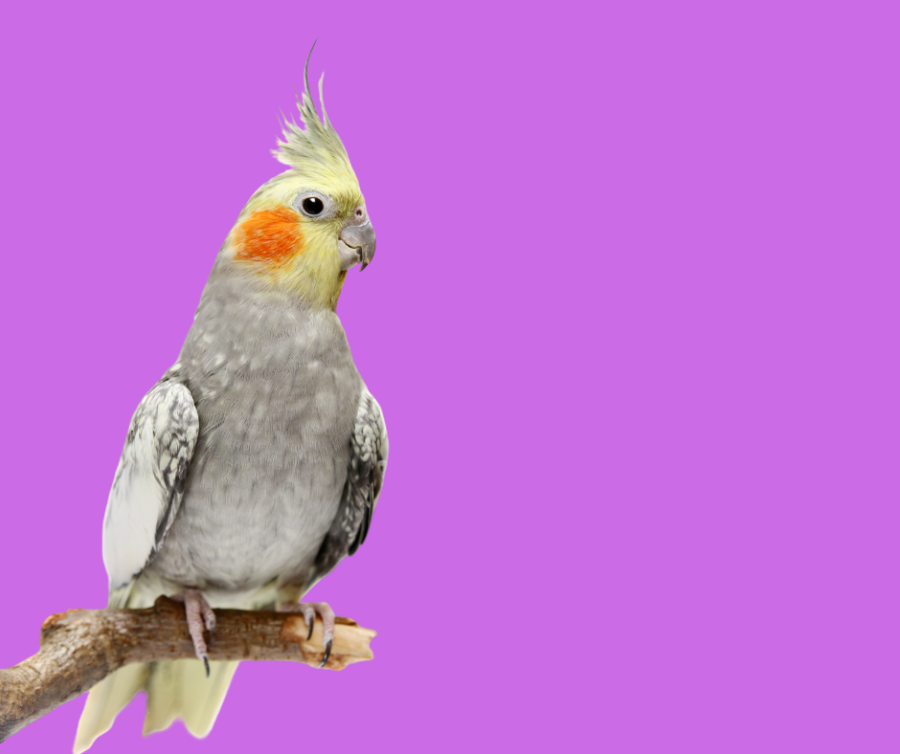
Finding the right cockatiel is about much more than choosing the prettiest bird in a photo. A good match starts with understanding the bird’s age, temperament, diet, socialization, housing needs, and the level of daily interaction your home can provide. At Buy Cockatiels, the goal is to help prospective owners make an informed decision before bringing a new companion home.
A healthy cockatiel should be alert, responsive, active, and comfortable around people when appropriately socialized. Veterinary guidance also emphasizes that these birds benefit from proper nutrition, suitable housing, enrichment, routine veterinary care, and regular human interaction.
What to look for when choosing a cockatiel
When I advise someone looking for a companion bird, I always recommend looking beyond color mutations. Lutino, pied, pearl, cinnamon, grey, and other varieties can all be beautiful, but appearance should never be the only consideration.
Start with the bird’s general condition. A prospective owner should look for a bird that is bright and attentive rather than persistently fluffed up, unusually quiet, weak, or uninterested in its surroundings. Changes in appetite, activity, posture, droppings, or behavior can sometimes be early signs that something is wrong, which is why careful observation matters.
Age is another consideration. Younger birds that have been appropriately socialized can often adapt readily to new environments. However, an older bird should not automatically be dismissed. Temperament, previous handling, health, and the bird’s individual personality are more useful factors than simply looking at an age number. Veterinary guidance notes that young, well-socialized birds can be easier to tame, while birds with limited human interaction may require more patience.
Preparing before bringing your bird home
One mistake I see new bird owners make is concentrating entirely on the purchase and thinking about the cage afterward. The order should really be reversed.
Have the cage, perches, food dishes, safe toys, appropriate food, and clean water ready before the bird arrives. The cage should provide enough room for the bird to move, stretch, climb, and exercise comfortably. Veterinary recommendations emphasize that a bird’s enclosure should be large enough to allow meaningful movement rather than functioning as a cramped resting box.
Think about the location too. A cockatiel is a social companion, so placing the cage in an isolated room where nobody spends time can make interaction unnecessarily difficult. At the same time, the bird needs protection from household hazards, excessive drafts, smoke, fumes, and unsafe objects.
Daily interaction is important. Cockatiels are intelligent, active parrots that enjoy attention, exploration, toys, chewing opportunities, and time outside the cage when the environment is properly secured.
Feeding your new companion properly
Nutrition deserves serious attention. A seed-only diet may look traditional, but veterinary nutrition guidance explains that seeds alone do not provide a complete nutritional balance. Formulated pellets can provide a more balanced foundation, while appropriate vegetables and limited fruit can add variety.
Fresh, clean water should be available every day, and food and water dishes should be cleaned regularly. Foods that are unsafe for parrots, including avocado, onion, chocolate, alcohol, and caffeine-containing products, should never be treated as casual snacks.
If a bird has been eating mostly seeds, changing the diet should be gradual. Merck Veterinary Manual specifically warns that forcing a rapid transition can cause problems and recommends monitoring the bird during dietary conversion.
A good bird is only half of the equation
The other half is the owner.
Before purchasing, ask yourself how much time you can realistically dedicate to your bird each day. Cockatiels are not decorative animals that can simply remain inside a cage without interaction. They need stimulation and companionship.
If you work long hours, think carefully about when the bird will receive attention. If you have children, teach them how to approach and handle a small parrot gently. If you already own cats or dogs, plan physical separation and supervised interaction rather than assuming every household pet will naturally accept a bird.
A responsible purchase should result in a long-term relationship, not an impulse decision.
Choosing with confidence
When someone contacts Buy Cockatiels, I would rather see them ask several questions before committing than rush into buying a bird they are not prepared to care for.
Ask about the bird’s age, current diet, handling history, temperament, availability, and any relevant health information. Ask what the bird is accustomed to eating and how it has been socialized. If something is unclear, get clarification before making a decision.
A new bird should also receive appropriate veterinary attention. Veterinary sources recommend having a newly acquired bird examined by a veterinarian experienced with birds, with ongoing routine examinations afterward.
That extra step can give a new owner valuable information about nutrition, weight, housing, grooming, behavior, and potential health concerns.
Make the first days easier
The first few days in a new home can be overwhelming. New surroundings mean unfamiliar sounds, people, smells, lighting, and routines.
Give your bird time to observe its surroundings. Avoid immediately forcing physical contact. Speak calmly, move slowly around the cage, and allow the bird to learn that your presence is safe.
Once the bird becomes comfortable, you can gradually introduce hand-taming, supervised out-of-cage time, simple training, and additional enrichment.
Patience is particularly important with a bird that has not experienced extensive human handling. A relationship built slowly is usually more rewarding than trying to force instant affection.
Cockatiels
Cockatiels have a reputation for being friendly, entertaining companion birds, and there is a good reason for it. They combine a manageable size with an expressive personality, attractive crest, distinctive orange cheek patches, and a talent for whistling. Veterinary information describes them as generally gentle birds that can make suitable first companion parrots when properly cared for.
But owning one is still a responsibility. Their small size should never be confused with low care requirements.
Understanding the personality behind the appearance
Every cockatiel has its own personality.
One bird may step onto your finger within minutes. Another may sit quietly on a perch and watch you for several days before becoming comfortable. Some birds enjoy being near their owners without constantly wanting to be touched. Others become extremely interactive and seek attention throughout the day.
This is why I recommend choosing temperament rather than simply choosing a color.
A bird that matches your household’s lifestyle is usually a better choice than a bird selected solely because of a particular mutation.
Cockatiels can also develop impressive individual routines. They may learn household sounds, whistle familiar tunes, recognize particular people, and become excited when their owner enters the room.
Size and lifespan
A typical adult cockatiel is around 32 centimeters long and commonly weighs about 80–95 grams, according to veterinary reference information. Reported lifespan is commonly around 10–14 years, with some individuals living considerably longer under appropriate care.
That means purchasing a bird should be considered a long-term commitment.
A person buying a young bird today could still be caring for that same companion many years from now. Housing, food, veterinary care, enrichment, and daily interaction therefore need to be viewed as ongoing responsibilities rather than one-time expenses.
Diet is part of responsible ownership
A common misconception is that parrots simply need a bowl full of seeds.
In reality, nutrition is more complicated. Veterinary nutrition guidance recommends a balanced approach rather than relying exclusively on seed mixtures. Pelleted food can form an important part of the diet, with suitable vegetables and smaller quantities of fruit providing additional variety.
Fresh water is equally important.
When introducing a bird to a new diet, avoid sudden changes. Some birds become suspicious of unfamiliar foods, and a gradual transition gives them time to recognize and accept new textures and flavors.
Housing and enrichment
The cage should be considered the bird’s home rather than simply a place to lock it away.
Provide enough space for movement and stretching, along with safe perches at appropriate positions and toys that encourage exploration. Birds need opportunities to climb, chew, manipulate objects, and remain mentally occupied.
Cockatiels also benefit from appropriate time outside the cage when the room has been made safe. Windows and doors should be secured, ceiling fans switched off, and potentially dangerous household items kept away.
Their natural curiosity is part of what makes them enjoyable companions, but it also means owners need to think ahead.
Socialization makes a difference
A well-socialized bird can be easier for a family to handle, but socialization should never be confused with forcing a bird to accept physical contact.
Let the bird develop trust.
Start with your voice and presence. Then offer treats. Later, introduce your hand. Use short sessions and end before the bird becomes overwhelmed.
This approach is particularly useful when introducing a bird to children. Children should learn to approach quietly, avoid grabbing, and respect the bird’s body language.
Veterinary guidance recommends exposing young birds to different people and situations in a controlled manner to help them become calmer and better adjusted.
Signs worth watching
Bird owners should become familiar with their companion’s normal behavior.
A sudden change can be more meaningful than one isolated observation. If a normally active bird becomes unusually quiet, stops eating, changes its droppings, sits differently, or appears weak, it deserves attention.
Birds can hide illness, meaning obvious symptoms may not appear until a problem has progressed.
That is one reason I encourage new owners to establish a relationship with a qualified bird veterinarian rather than waiting until an emergency occurs.
Is this the right companion for you?
If you want a bird that can become part of your everyday routine, whistle around the house, interact with people, and provide years of companionship, a cockatiel can be an excellent choice.
However, the best home is one where the owner understands the commitment.
If you are ready to prepare a proper home, provide balanced nutrition, offer daily interaction, monitor health, and give your bird patience, you are already approaching ownership with the right mindset.
For families researching their options, Cockatiels from Buy Cockatiels should be evaluated according to health, temperament, socialization, and suitability for the home—not simply appearance.
Cockatiels for sale
Shopping for a companion bird should feel different from buying an ordinary household item. You are choosing a living animal that will depend on you for food, safety, companionship, and veterinary care for years.
That is why anyone searching for cockatiels for sale should slow down and investigate the bird and the person offering it.
What makes a responsible purchase?
Start with questions.
How old is the bird? What food is it eating? Has it been handled regularly? How does it respond to people? Has it been socialized? What information can be provided about its health and history?
These questions are not excessive. They help establish whether the bird is a sensible match for your household.
A reputable seller should be willing to discuss care rather than simply push for a quick transaction.
The bird itself should also be observed carefully. Look for alertness, normal movement, active interest in its surroundings, and a generally healthy appearance. If the bird appears persistently lethargic, weak, or unusually withdrawn, do not ignore those observations.
Color is not everything
People naturally notice mutations first.
A beautiful lutino may catch your eye immediately. A pearl may have markings you particularly like. A pied or cinnamon may stand out from the others.
There is nothing wrong with having a preferred appearance, but color should come after health and temperament.
A gorgeous bird that does not suit your lifestyle can become a difficult match. A healthy, well-adjusted bird with a personality that fits your household can become a wonderful companion even if it was not originally the color you imagined.
Ask about the bird’s routine
One of the most useful things a new owner can learn is what the bird already knows.
What time does it normally eat? What food does it recognize? Is it comfortable around hands? Does it step up? Is it accustomed to household sounds? Has it spent time around different people?
These details can make the transition easier.
If you suddenly change everything on the first day—food, cage location, handling, lighting, sleeping routine, and surroundings—the bird may become unnecessarily stressed.
A calmer approach is to preserve familiar routines where possible and make changes gradually.
Nutrition before and after purchase
A good feeding routine is something you should understand before bringing the bird home.
Veterinary guidance emphasizes that cockatiels should not live exclusively on seeds. Formulated pellets can provide important nutrients, while vegetables and limited fruit can add variety.
If the bird is already eating a particular balanced diet, do not immediately replace everything because you bought a different brand of food.
Give the bird time.
If a dietary change is necessary, make the transition gradually and monitor the bird closely. Merck Veterinary Manual recommends careful monitoring during conversion because an unsuccessful transition can lead to inadequate food intake.
What should your home look like?
Before collecting your bird, have the cage assembled.
Choose safe perches rather than filling the cage with identical dowels. Provide appropriate toys and enough space for movement. Keep food and water stations clean.
The surrounding room matters as well.
Avoid smoke, hazardous fumes, toxic substances, unsafe plants, open containers of water, exposed electrical cords, and other household dangers. When the bird is outside the cage, windows and doors should be secured.
A bird’s safety depends heavily on how well the owner prepares the environment.
The first veterinary appointment
I strongly recommend planning a veterinary examination for a newly acquired bird.
A veterinarian experienced in avian medicine can assess the bird and discuss nutrition, housing, grooming, behavior, and preventive care.
Routine veterinary care also provides an opportunity to establish a baseline for the individual bird.
That matters because birds are very good at hiding illness. Learning what is normal for your bird makes it easier to notice meaningful changes later.
Choosing a bird for your family
If children are involved, adult supervision is essential.
Teach children that the bird is not a toy. No chasing, squeezing, grabbing, yelling at, or cornering the bird.
Instead, children can learn to sit quietly nearby, offer appropriate treats under supervision, talk gently, and eventually participate in simple care tasks.
If you have other pets, keep introductions controlled. A dog or cat may have a strong predatory instinct even if it normally behaves gently with people.
What you should expect after bringing the bird home
Do not expect instant perfection.
A newly moved bird may be quiet at first. It may observe you from a perch, hesitate before eating, or take time to explore its cage.
Give it space.
Talk gently. Maintain a predictable routine. Offer food and water consistently. Allow the bird to decide when it is ready for closer interaction.
Trust develops through repetition.
That is why the best cockatiel ownership experiences usually come from people who understand that taming and bonding are processes rather than overnight events.
If you are comparing Cockatiels for sale through Buy Cockatiels, focus on the complete picture: the bird’s condition, temperament, socialization, current routine, and whether your home is genuinely prepared for long-term care.
Cockatiels for sale near me
Searching for cockatiels for sale near me usually means one thing: you want to find a bird that is practical to acquire and suitable for your home without making the process unnecessarily complicated.
But being close to a seller should never be the only reason to choose a bird.
Location matters for convenience, transportation, and follow-up arrangements, but health, temperament, responsible care, and suitability should remain the priorities.
Start with the bird, not the distance
When comparing nearby options, make a short list of questions before making contact.
Ask about age, current diet, handling, socialization, temperament, availability, and the arrangements for collection or delivery.
If you are able to meet the bird, pay attention to how it behaves rather than expecting it to perform for you.
A healthy bird may be curious, active, vocal, or simply observant. Some birds become animated around familiar people but remain cautious with strangers. That is not necessarily a problem.
What matters is whether the bird appears appropriately alert and whether there are concerning signs such as persistent weakness or unusual inactivity.
Transportation deserves attention
Getting a bird home safely is part of responsible ownership.
A suitable carrier should provide ventilation, security, and enough space for the bird to remain comfortable without excessive movement during transport.
Avoid leaving a bird exposed to extreme temperatures or unnecessary delays.
Before starting the journey, make sure you know where the bird will go when you arrive. The cage should already be prepared with appropriate food, water, perches, and a calm environment.
The smoother the transition, the easier it can be for the bird to settle.
Buying locally does not remove the need for questions
A seller being nearby does not automatically mean the bird is healthy or well-socialized.
This is one of the biggest mistakes people make when searching locally.
Convenience can make an offer seem attractive, especially when someone says a bird is “available today.” But a living animal should not be purchased simply because it is close or immediately available.
Take time to understand the bird.
Ask how it has been fed. Ask whether it is accustomed to people. Ask what its normal routine is. Ask what information comes with the bird.
A transparent conversation before purchase is usually more useful than discovering important details afterward.
Prepare your household
Before the bird arrives, decide where the cage will be positioned.
A good location allows family interaction while protecting the bird from excessive traffic and household hazards.
Do not place the cage where cooking fumes, smoke, sprays, or other potentially harmful airborne substances can reach it. Keep the bird away from dangerous household materials and supervise interaction with children and other animals.
The cage should also provide enough space for movement. Veterinary guidance recommends an enclosure that allows birds to stretch and move comfortably rather than keeping them in cramped quarters.
Food should already be available
Do not wait until the bird arrives before buying food.
Find out what the bird has been eating and have an appropriate supply ready.
Cockatiels require more than an all-seed diet. Veterinary nutritional guidance supports a balanced feeding approach that includes formulated food alongside appropriate fresh foods and controlled amounts of seeds.
If you plan to change the diet, do it gradually.
Some birds take readily to pellets while others need considerable patience. A sudden dietary change can be risky if the bird stops eating enough, so owners should monitor intake and weight when making significant changes.
Consider veterinary care before purchase
If you are getting a bird for the first time, identify an avian-capable veterinarian before bringing the bird home.
This is much easier than searching for one during an emergency.
A new-bird examination can provide useful guidance about nutrition, housing, grooming, behavior, and preventive care.
Regular examinations are also valuable because subtle health changes can be difficult for inexperienced owners to recognize.
Local does not always mean better
Your closest option may not be your best option.
Sometimes the better choice is the bird whose temperament matches your household and whose care history gives you confidence.
If transportation is required, plan it properly rather than allowing distance alone to eliminate a responsible option.
The goal should be a safe transition into a suitable permanent home.
Questions to ask before committing
When you contact a seller, keep your questions straightforward:
- What is the bird’s age?
- What food is it currently eating?
- How often is it handled?
- Is it comfortable stepping onto a hand?
- What is its general temperament?
- Has it lived around people?
- What should I prepare before bringing it home?
- What should I continue feeding during the first few days?
A seller who understands responsible bird ownership should be able to discuss these practical matters.
If you are using Cockatiels for sale near me as your starting point, let convenience narrow your search—but let health, temperament, care history, and suitability make the final decision.
Cockatiel birds for sale
Choosing among cockatiel birds for sale is easier when you know what you are actually evaluating.
The goal is not simply to find a bird that looks attractive in a photograph. You want a companion whose health, temperament, socialization, and needs fit the environment you can provide.
Look for a bright, responsive bird
When evaluating a bird, observe its behavior.
Does it notice what is happening around it? Does it move normally? Does it show interest in food or its surroundings? Does it respond appropriately when people approach?
A bird does not need to be hyperactive to be healthy, and a quiet moment is not automatically concerning. What matters is the overall picture.
Persistent changes in appetite, posture, activity, or behavior deserve attention because birds can conceal signs of illness.
Temperament matters
I would rather see an owner choose a calm, suitable companion than chase a particular color mutation.
Cockatiels can be affectionate, independent, playful, vocal, cautious, energetic, or some combination of these traits.
The right personality depends on your household.
Someone who wants a bird that interacts frequently may prefer a highly social individual. Another owner may be perfectly happy with a bird that enjoys sitting nearby and gradually developing trust.
Neither personality is automatically better.
Young birds and socialization
Young birds can often adapt readily to new surroundings, especially when they have received appropriate human interaction.
Veterinary guidance notes that hand-raised and well-socialized young cockatiels can be easier to tame, while birds with limited human exposure may require more patience.
However, age alone does not guarantee temperament.
A bird still needs respectful handling and a calm transition.
When you bring the bird home, do not overwhelm it with multiple people competing for its attention. Allow it to settle before beginning more intensive interaction.
Creating a safe cage
A good cage should allow meaningful movement.
Provide suitable perches, food and water dishes, toys, and enough room for the bird to stretch and move. The cage should not become overcrowded with accessories.
Veterinary guidance recommends providing a home large enough for the bird to move comfortably, while also considering the bird’s natural behaviors and enrichment needs.
Rotate safe toys periodically so the environment remains interesting.
Cockatiels enjoy chewing and exploring, so provide appropriate bird-safe materials rather than allowing them to find their own entertainment around the house.
Feeding for long-term health
Food is one of the areas where new owners often need the most guidance.
Seeds can be highly attractive to birds, but veterinary nutrition resources explain that they are not nutritionally complete when used as the entire diet. Formulated pellets, appropriate vegetables, limited fruit, and controlled seed portions can provide a more balanced approach.
Fresh water should always be available.
Food and water dishes should be cleaned regularly, and fresh foods should not be left sitting in the cage long enough to spoil, particularly in warm conditions.
Watch the diet during transitions
If your new bird has a different diet from what you intend to provide, do not immediately remove everything familiar.
Birds can be suspicious of unfamiliar foods. A gradual transition allows them to become accustomed to new textures and flavors.
During a conversion to pellets, monitoring food intake and body weight is particularly important. Merck Veterinary Manual recommends close monitoring because a bird that does not consume enough food during a rapid transition can become unwell.
Routine veterinary care
Responsible ownership includes veterinary care.
A newly acquired bird should be evaluated by a veterinarian experienced with pet birds, and ongoing examinations can help identify health, nutrition, and behavioral concerns early.
Do not wait for an obvious emergency before learning where your nearest suitable veterinary service is.
Birds often conceal illness, so an owner who knows the bird’s normal weight, appetite, activity, droppings, and behavior is in a stronger position to recognize changes.
Bringing the right bird into the right home
The best purchase is not necessarily the youngest bird, the rarest mutation, or the bird with the most striking photograph.
It is the bird that is appropriate for your circumstances.
Consider your schedule. Consider whether you have children. Consider other pets. Consider the amount of daily interaction you can provide. Consider the cost of food, housing, enrichment, and veterinary care.
Then make your decision.
If you are reviewing Cockatiel birds for sale through Buy Cockatiels, take the time to evaluate the complete picture rather than making the decision from appearance alone.
A cockatiel can become a wonderful long-term companion, but that relationship starts with responsible selection and continues with consistent daily care.
A final word before you choose
Buying a companion bird should never feel like a race.
Take your time. Ask questions. Prepare your home. Understand the bird’s diet. Learn its normal behavior. Arrange appropriate veterinary care. Give the bird patience during the transition.
That is how a purchase becomes the beginning of a genuine relationship rather than simply another transaction.
At Buy Cockatiels, the most important outcome is not getting a bird into a new home as quickly as possible. It is helping the right bird and the right owner become a good long-term match.