
Traveling Well With Portable Red Light Therapy Devices
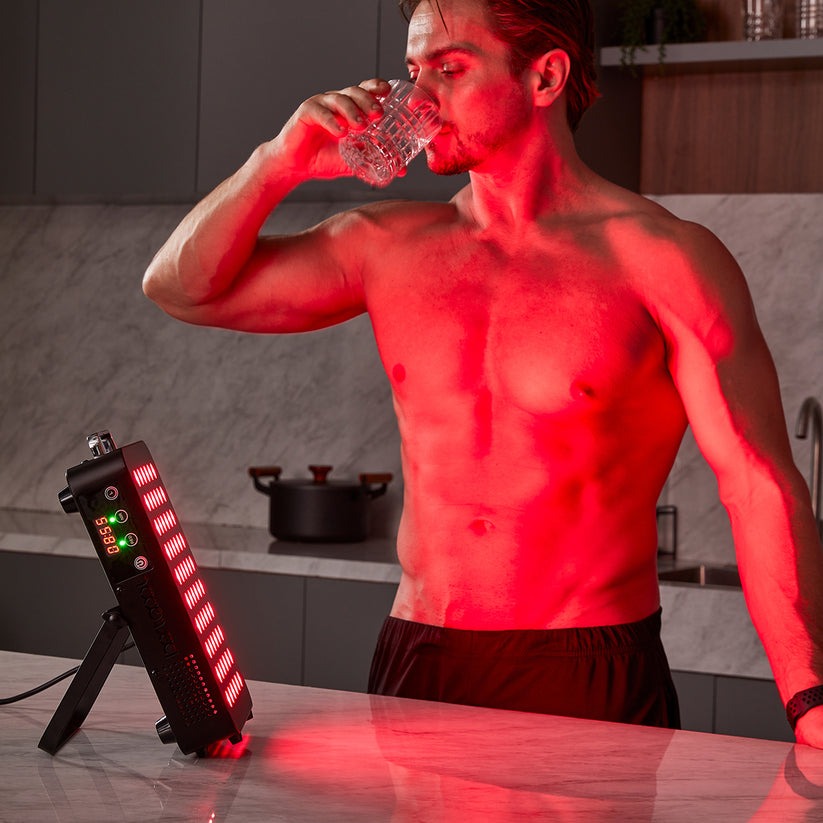
Life rarely holds still long enough for a routine to settle. Between work travel, family visits, weekend trips, and the sheer unpredictability of a busy week, the rituals you rely on at home tend to fall apart the moment you leave the house. That is a genuine problem for anyone building a habit around light-based therapy. Sessions only pay off when they happen consistently, and consistency is the first thing to break when your schedule and your zip code both shift.
The good news is that the smaller, more travel-friendly units on the market have quietly gotten good enough to matter. They no longer feel like watered-down versions of a real device. Used well, they preserve the routine that a fixed panel would otherwise break. This guide is written for the traveler, the commuter, the parent doing school runs across town, and anyone else whose life does not sit still for a wellness ritual.
What Portable Actually Needs to Mean
The word portable gets stretched in marketing until it loses meaning. A twenty-pound panel with a carrying handle is not portable in any useful sense. What you actually want is a device that fits in a suitcase without displacing your clothes, sets up in under a minute, and does not depend on a wall mount or a specific room orientation. Anything less than that will eventually stay home when you travel, which defeats the point.
Practical portable red light therapy means a device you would honestly bring on a three-day work trip. It also means one that works with the outlets and power expectations of wherever you are going. If you travel internationally, the ability to run on standard voltage or with an adapter matters enormously. If the device requires a fussy setup or specific accessories to function, it will get skipped in a hotel room after a long flight.
Coverage area is where you make a real trade-off. A smaller device physically cannot illuminate as much of your body at once as a wall-sized panel. That is fine if your goal is targeted — face, a specific joint, a section of the back. It is also fine for maintenance sessions between longer sessions at home. Understanding what portability costs you technically, and what it gives you in usability, is the honest way to shop.
Fitting Sessions Into Hotels, Flights, and Shared Spaces
Hotel rooms are surprisingly cooperative once you have a device that does not require a wall mount. The bed itself becomes your treatment surface. Set the device on the nightstand or the desk, position it at the recommended distance, and use the time to catch up on messages, watch something, or simply decompress after a day of meetings. Ten to fifteen minutes goes fast when it is layered on top of a wind-down you were going to do anyway.
Airports and airplanes are trickier. This is not the setting for a session. Instead, think of travel days as scheduled rest days for the routine. Two off days built into a plan do not damage progress. Trying to force a session in a cramped seat with no privacy will just frustrate you. Plan the travel days out, plan the arrival day back in, and the rhythm holds together.

Shared spaces at home create their own considerations. If you are visiting family or staying with friends, a smaller device you can use behind a closed bedroom door is far less awkward than trying to explain a large panel setup in a guest room. This is another quiet advantage of portable options. They keep the routine private and low-drama, which reduces the friction of maintaining it in social settings.
Routines That Survive an Irregular Week
The core principle for irregular schedules is the same as for stable ones: attach the session to an existing anchor. The difference is that your anchors have to travel with you. Coffee, evening skincare, or a pre-sleep wind-down all move with you and can trigger the same sequence in a hotel that they would at home. Anchors tied to a specific room — the corner where the big panel lives, the office where you took your Tuesday sessions — collapse the moment the room changes.
Session length can flex when the week gets weird. On calm days at home, you can run the full recommended duration. On travel days or hectic ones, a shorter session is still worth doing. Skipping entirely resets the momentum. A shortened but real session preserves the streak without pushing you past what the day realistically allows. This flexibility is what keeps the routine alive over months.
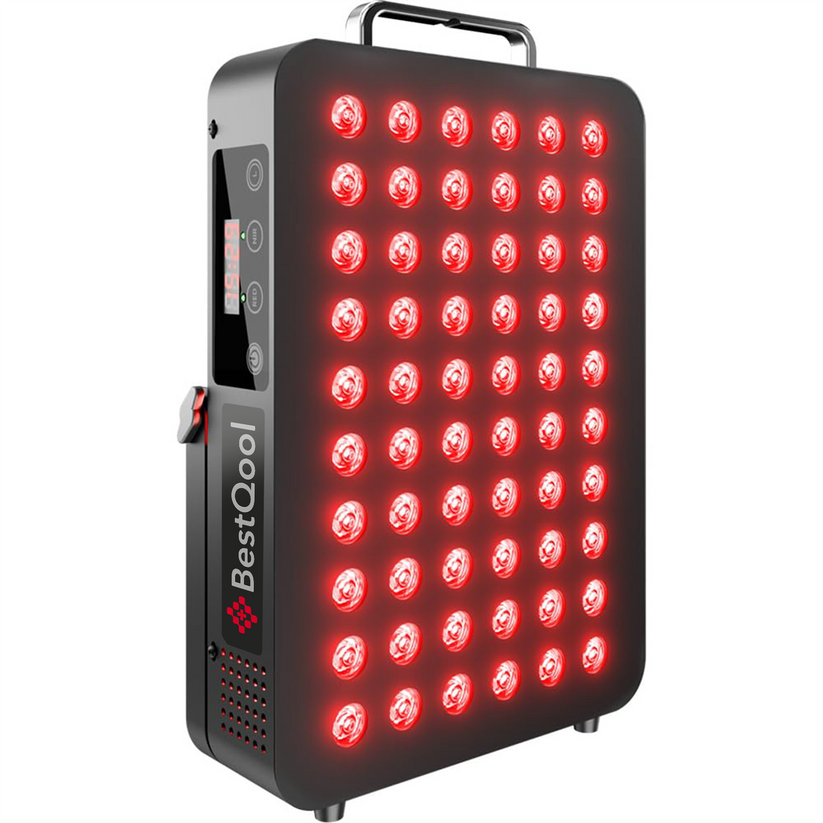
Packing the device deserves its own habit. Keep the device, its cable, and any adapters in a dedicated pouch that lives in your suitcase between trips. Do not remove them for storage. This eliminates the question of whether you remembered everything and prevents the classic mistake of arriving at your destination missing the power cord. BestQool and similar brands often design their travel-oriented products with this workflow in mind, which is why the smaller units include compact accessories rather than the bulk of a home setup.
When Portability Changes the Whole Calculation
For a certain kind of user, portability is the whole story. If your work has you on the road for eight days a month, a fixed panel will never get the consistency required to produce meaningful results. In that scenario, a portable device does not represent a compromise — it represents the only version of the routine that actually happens. And a routine that actually happens beats a theoretically superior routine that mostly does not.
The same logic applies to parents managing tight windows around childcare, or professionals who move between multiple homes or offices. The fixed setup assumes a fixed life. A portable option assumes a real one. Once you frame the choice that way, the comparison is not between “less powerful” and “more powerful.” It is between “used four times a week” and “used four times a month.” The math is not close.
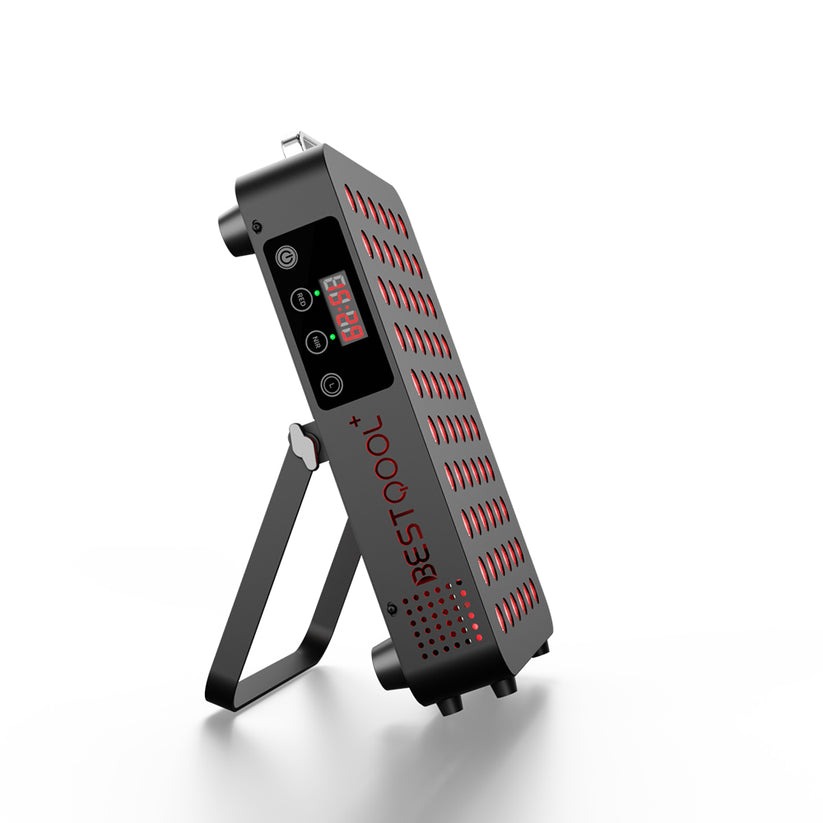
The trade-off worth being honest about is coverage. Portable devices tend to work best when your goal is specific — face, targeted joint, particular muscle group. If you want to bathe your entire body in light every day, a larger panel will serve you better in the moments you use it. Some people run both, keeping the large panel for concentrated home stretches and the portable unit for road weeks. That combination is not overkill for anyone whose progress depends on staying consistent for six months or more.
Finally, be careful with expectations on any device — portable or not. Two weeks is not enough time to render a verdict. Give the routine sixty days at whatever intensity your travel schedule allows, then look back honestly at how your target concern has moved. The people who see the biggest changes are almost always the ones who found a version of the routine that fit their real life and stuck with it. Portability is often the deciding factor in whether that version exists at all.
The other quiet advantage of a portable setup is that it lowers the psychological cost of starting. A large panel is a significant purchase and a permanent room presence. Some people delay committing for months because the space and money feel like too much of a leap. A smaller device slides into your life without ceremony, and if you decide to expand later, nothing about the smaller unit becomes wasted — it simply becomes your travel companion while a larger option handles longer home sessions. Starting somewhere concrete beats waiting for the theoretically ideal setup that never quite arrives.
One last consideration is durability. A device that travels needs to handle real-world conditions: bag jostles, hotel outlets that run hot or cold, occasional drops onto carpeted floors. Build quality matters more for portable options than for fixed ones. Look for solid housing, a reasonable warranty, and reviews from users who have owned the device for at least six months of active travel. A portable that fails after four flights is not portable in any useful sense. A well-built one that keeps showing up trip after trip earns its place in your bag and, over time, in your routine.
Therapy That Moves With You
Consistency wins. That is the entire lesson, and portability is the mechanism that makes consistency possible for anyone whose calendar refuses to sit still. Choose a device you will actually pack. Anchor the session to a habit that travels with you. Flex the session length when the day demands it, but do not skip entirely. Build a small ritual around packing so the device never gets left behind. Do those things across two months of ordinary chaotic life and you will look back at a routine that survived travel, holidays, and the weeks where nothing went according to plan. That is what portable therapy is really for — not just convenience, but the quiet ability to keep going when a fixed setup would have already collapsed.