
How to Choose an NVR Security System That Actually Protects Your Home
Shopping for home surveillance often turns into a maze of acronyms, confusing storage specs, and vague marketing promises. If you have ever stared at a product listing wondering whether you need an NVR security system or something simpler, you are not alone. Homeowners and small business owners share the same core worry: they want footage they can actually rely on when something goes wrong, without paying a monthly fee just to access it.
An NVR security system records video from network cameras directly onto a dedicated recorder, giving you full ownership of your footage and more control over how long it is stored. That matters when you are trying to identify a delivery thief, settle a dispute with a neighbor, or simply keep an eye on your property while traveling. This guide breaks down what actually separates a good NVR setup from a frustrating one, so you can shop with confidence instead of guesswork.
What Makes an NVR Security System Different From Other Options
Most people encounter three types of recording setups when they start researching home security: DVR systems, cloud-only cameras, and NVR systems. A DVR processes analog signals from wired cameras, which limits resolution and flexibility. Cloud-only cameras skip local hardware entirely, but that convenience usually comes with a subscription and a dependency on your internet connection staying up. An NVR security system sits in between, pairing network cameras with a dedicated recorder that stores everything locally on a hard drive.
This distinction matters more than it might seem at first glance. When footage lives on a device in your home rather than a distant server, you are not at the mercy of a company’s data retention policy or a price increase two years down the line. You also avoid the privacy concerns that come with sending continuous video streams to third-party servers. For anyone who has dealt with a laggy live view or a cloud service that throttles video quality during peak hours, the appeal of local recording becomes obvious quickly.
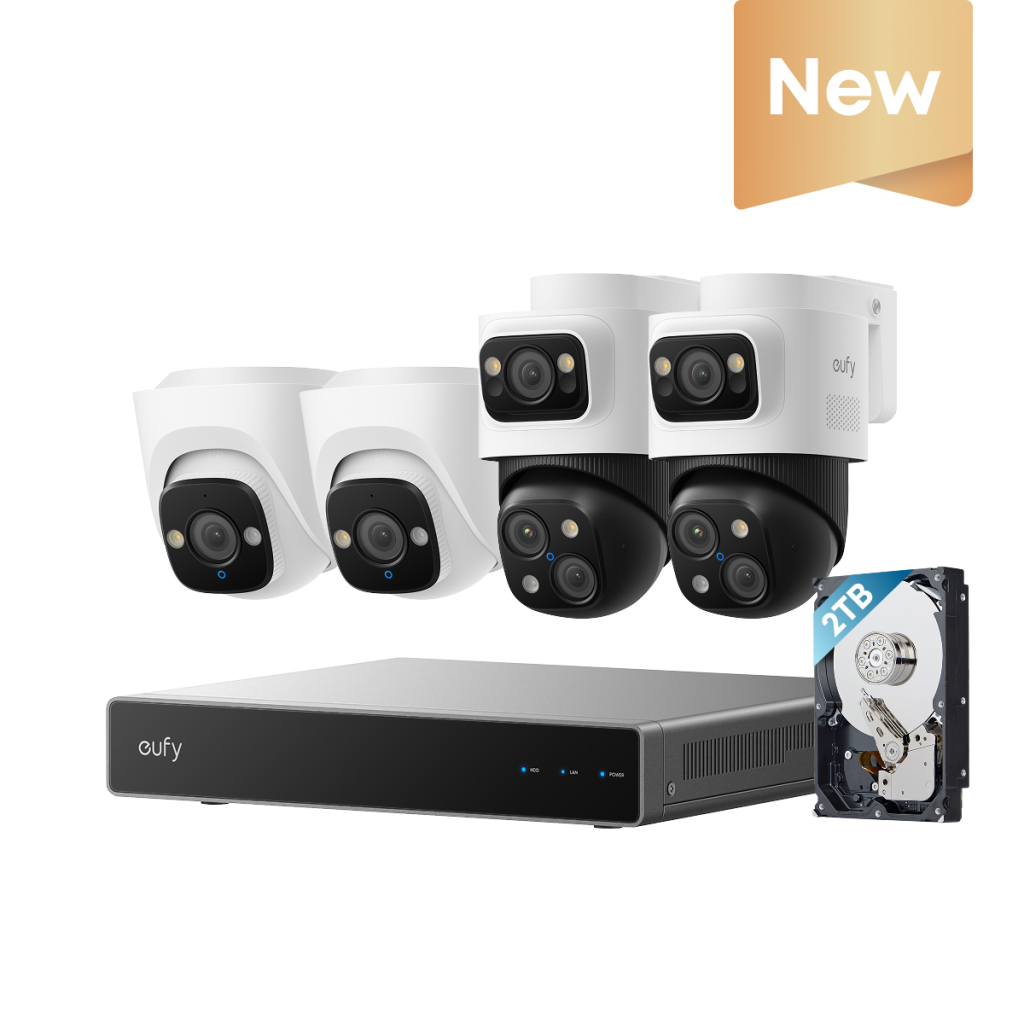
There is also a practical performance angle. Network video recorders are built to handle multiple high-resolution streams simultaneously, so you are less likely to run into the choppy playback or dropped frames that plague budget cloud cameras during busy network periods. If you plan to cover a full property with several cameras rather than just a front door, this reliability difference becomes the deciding factor for most buyers.
Key Factors to Consider Before You Buy
Once you have decided that local recording fits your needs, the next step is narrowing down which specific setup will actually work for your property. A few factors consistently separate a system that serves you well for years from one that becomes a source of frustration within months.
Storage Capacity and Recording Retention
Storage capacity determines how far back you can look when you need footage. A single camera recording at high resolution can fill a terabyte of storage in a matter of weeks, so if you are running four or more cameras, you will want to think seriously about drive size upfront. Consider how many days of footage you realistically need before older recordings can be overwritten. Retail buyers rarely need more than two to four weeks, but if you are monitoring a rental property or a business, thirty days or more gives you a much larger safety margin for catching incidents that are not reported immediately.
Camera Compatibility and Expansion
Not every NVR works with every camera, so compatibility deserves attention before you commit. Systems that use Power over Ethernet, commonly shortened to PoE, simplify installation because a single cable handles both power and data, cutting down on the tangle of wires that plagued earlier generations of wired cameras. It is also worth checking how many camera channels the recorder supports and whether you can add more cameras later without replacing the whole unit. A system that starts small but scales as your needs grow saves you from a costly do-over.

Resolution is another consideration that is easy to underestimate. Higher resolution footage makes a real difference when you need to zoom in on a license plate or a face, but it also demands more storage and bandwidth. Balancing image quality against your storage budget is one of the more practical decisions you will make during setup, and it is worth testing a couple of configurations before finalizing your camera count.
Setting Up Your System for Reliable Coverage
Buying the right hardware is only half the job. Placement and configuration decide whether your footage actually captures what you need when an incident happens. Start by mapping the areas that matter most: entry points, driveways, and any blind spots where someone could approach unseen. Cameras aimed too high often miss faces entirely, while those placed too low can be tampered with easily, so aim for a height that balances visibility with security.
Lighting conditions around your property should factor into camera placement as well. Areas with strong backlighting, such as a camera facing directly into a streetlight, can wash out details in recorded footage. Testing camera angles during both daytime and nighttime hours before finalizing their positions helps you catch these issues early rather than discovering them after an incident has already occurred.

Network stability also plays a bigger role than most people expect. Even though footage records locally, most systems still rely on a stable connection for remote viewing and system alerts. Running a quick speed test near your recorder’s planned location, and considering a wired connection for the NVR itself rather than relying solely on WiFi, reduces the odds of gaps in your remote access down the line. Brands like eufy have built systems specifically around this kind of straightforward setup, aiming to reduce the technical friction that keeps many homeowners from finishing installation on their own.

Finally, build a habit of checking your system periodically rather than assuming it will run flawlessly forever. A quick monthly review of camera angles, storage levels, and firmware updates catches small problems before they become the reason footage was missing exactly when you needed it most.
Building Security You Can Actually Rely On
Choosing the right recording setup does not require becoming a surveillance expert overnight. It comes down to understanding a few core differences, matching storage and camera count to your actual property, and taking the time to position cameras thoughtfully. An NVR security system rewards that upfront effort with footage you control, without the recurring costs or connectivity dependence that come with cloud-only alternatives.
Whether you are covering a single-family home or a small business storefront, the goal stays the same: dependable coverage that holds up when you actually need to review it. Start with a clear map of your property, choose hardware that leaves room to grow, and check in on your setup regularly. Do that, and you will have a security system that quietly does its job instead of becoming another source of stress.